
Why Generic B2B Data Falls Short in Healthcare Marketing
Healthcare marketing data requires a more specialized approach than ordinary B2B data. Hospitals, physician practices, health systems, outpatient facilities, nursing homes and other healthcare organizations operate differently from ordinary businesses.
Healthcare is not one market with one type of buyer.
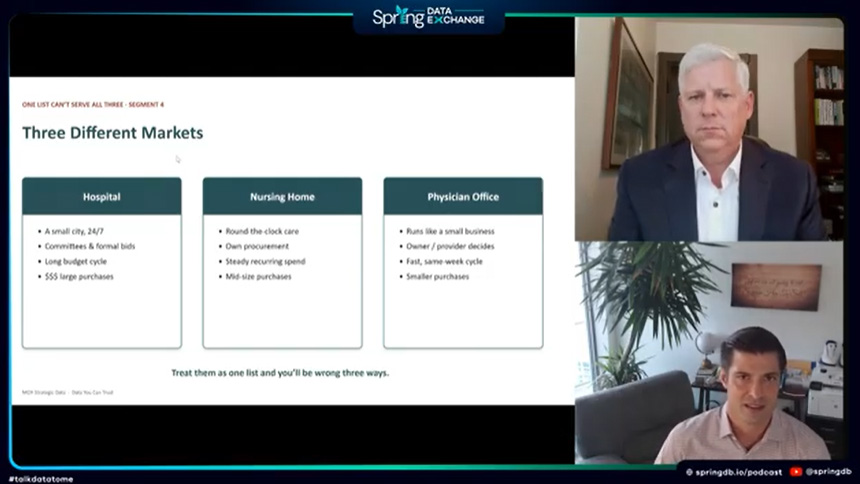
Hospitals, physician practices, health systems, outpatient facilities, nursing homes and other healthcare organizations operate differently from ordinary businesses. They include highly specialized clinical and administrative roles, complex organizational relationships and purchasing processes involving multiple stakeholders.
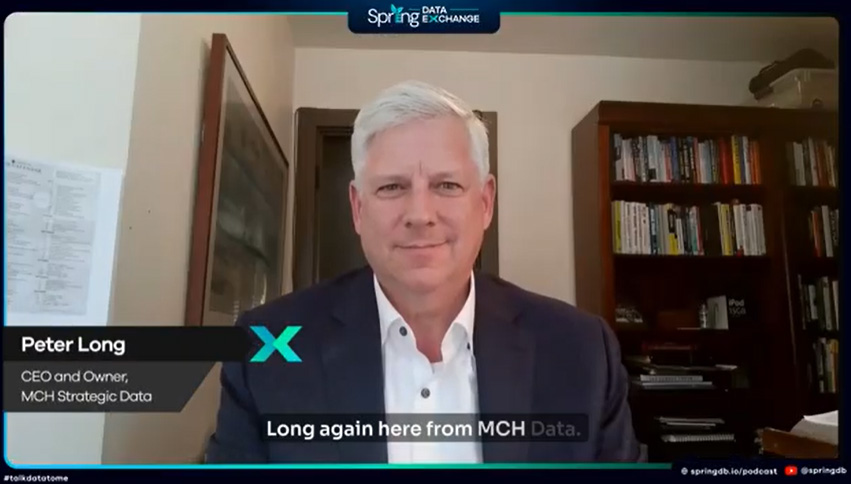
In this SpringDB Data Exchange Podcast episode, MCH Strategic Data CEO Peter Long explains what marketers need to understand before selecting, targeting or activating healthcare data.
Healthcare Data Requires More Than Standard B2B Categories
Effective healthcare marketing data should connect people, roles, specialties and organizations in ways that reflect how the healthcare market actually operates. General B2B databases commonly organize contacts around broad functions such as finance, operations, human resources and purchasing. That structure captures only part of the healthcare market.
Healthcare organizations include medical specialists, department directors, nursing leaders, pharmacy personnel, information technology professionals, facility administrators, procurement teams and many other roles with highly specific responsibilities.
Even the category of physician includes substantial variation. Providers may be distinguished by profession, specialty, subspecialty, practice setting, institutional affiliation, licensing information and the locations where they provide care.
Without healthcare-specific classifications, marketers may reach people whose titles appear relevant but who have little connection to the product, service or clinical area being promoted.
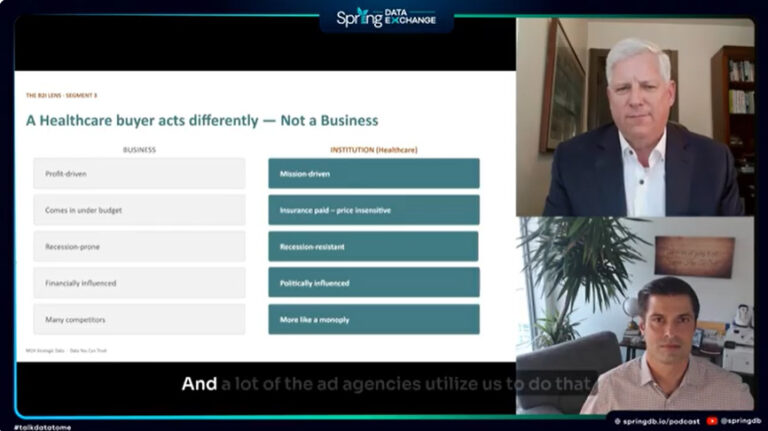
Why Healthcare Data is Different
Specialized roles
Healthcare organizations include clinical, administrative, operational, financial and purchasing roles that do not fit neatly into standard B2B job categories.
Complex Affiliations
A provider may work across multiple practices, hospitals or health systems, making accurate person-to-institution relationships essential.
Multiple decision-makers
Healthcare purchases may involve clinicians, administrators, finance, IT, compliance, procurement and executive leadership.
Protected Communication Environments
Healthcare email systems use strict security and filtering, requiring disciplined targeting and deployment practices.
A Provider and an Institution Are Not the Same Record
Healthcare professionals frequently work at more than one location or maintain relationships with multiple organizations.
A physician may practice at an independent office, hold privileges at a hospital, work through a medical group and provide services at an outpatient facility. Those relationships matter because the appropriate message and buying opportunity may depend on where the provider works and how that organization operates.
Effective healthcare data should connect people to the hospitals, practices, facilities and health systems with which they are associated. These relationships help marketers understand both the individual professional and the organizational context surrounding a potential purchase.
Healthcare Buying Decisions Involve Multiple Stakeholders
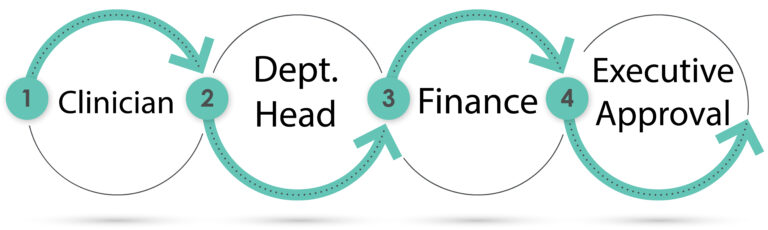
Healthcare purchases rarely depend on one person. The person using a product may not be the person evaluating, approving or purchasing it. Effective targeting begins by identifying the people who influence the decision, the people who approve it and the people responsible for completing the transaction.
Healthcare Email Requires More Than a Contact List
Healthcare institutions operate highly protected email environments. Large sending volumes, weak authentication, irrelevant messages and poor engagement can trigger filtering or blocking.
Successful healthcare email campaigns require focused audience selection, proper domain authentication, controlled deployment volume, relevant messaging and ongoing monitoring of deliverability and engagement.
MCH helps healthcare marketers combine specialized contact data with deployment practices designed for protected institutional environments.
Why Healthcare Data is Different
Build a targeted list
Select healthcare organizations, providers, specialties, roles and geographic criteria for a specific campaign.
Enrich your CRM or platform
Use healthcare data to fill gaps, improve segmentation and strengthen customer and prospect records.
Activate digital audiences
Use defined healthcare audiences for account-based marketing and programmatic advertising.
Watch the SpringDB Healthcare Data Conversation
Peter Long and SpringDB host John Kosturos discuss healthcare market segmentation, medical specialties, provider and institution relationships, email deliverability, programmatic advertising and the different ways companies can access healthcare data.
Contact an MCH Healthcare Data Expert
MCH helps companies use healthcare marketing data to identify and reach the institutions, providers and decision-makers most relevant to their campaigns. Connect with our team to explore how our trusted healthcare data solutions can support your marketing and outreach goals. We’re here to help! Contact us by phone at 800-776-6373 or email us at info@mchdata.com.